
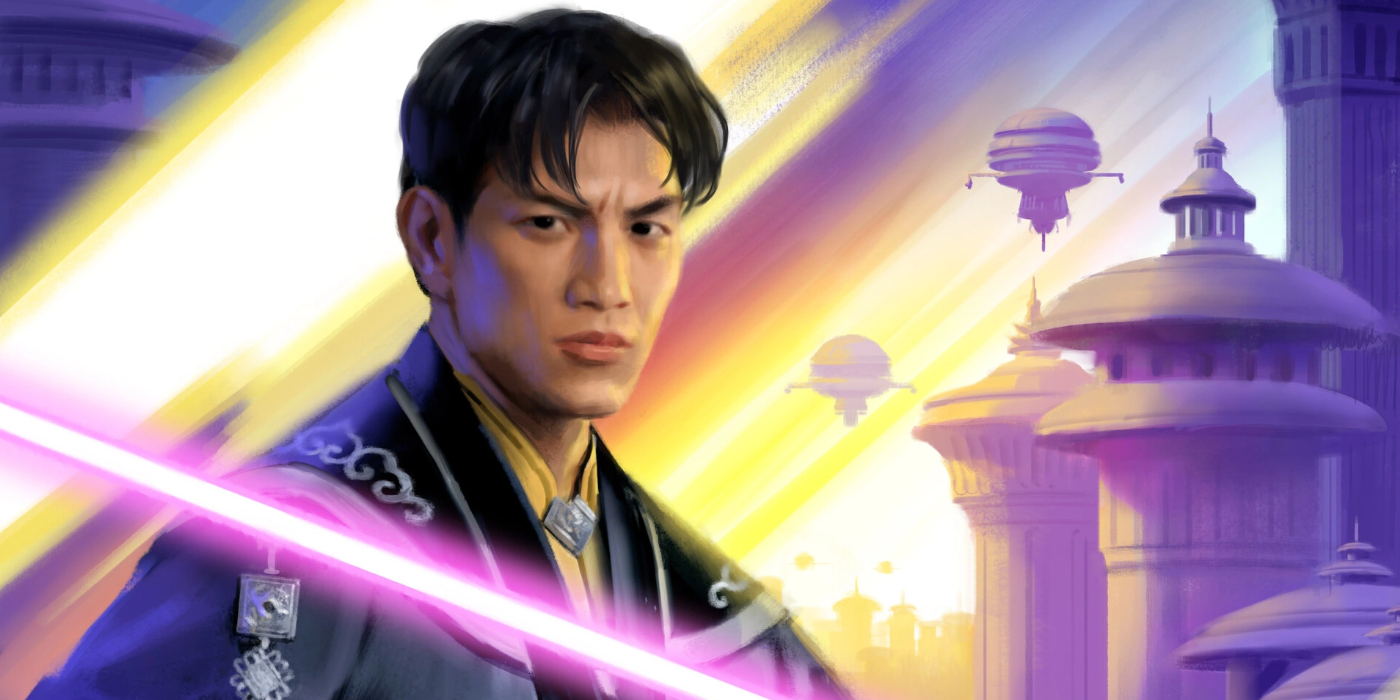
We are at the end of Phase Two novels. Technically, Path of Vengeance was the last novel of the phase, but this is my reading order. And it is my recommended reading order, as Path of Vengeance focused on a smaller group of characters before and during The Battle of Dalna.
Lydia Kang’s Cataclysm also has a lead-up to the Battle but gives more perspective from the Jedi side. Despite these additional points of view, Cataclysm is overstuffed and left carrying all the weight of exposition before Phase Three.
**Spoilers for Cataclysm and Convergence**
The Story

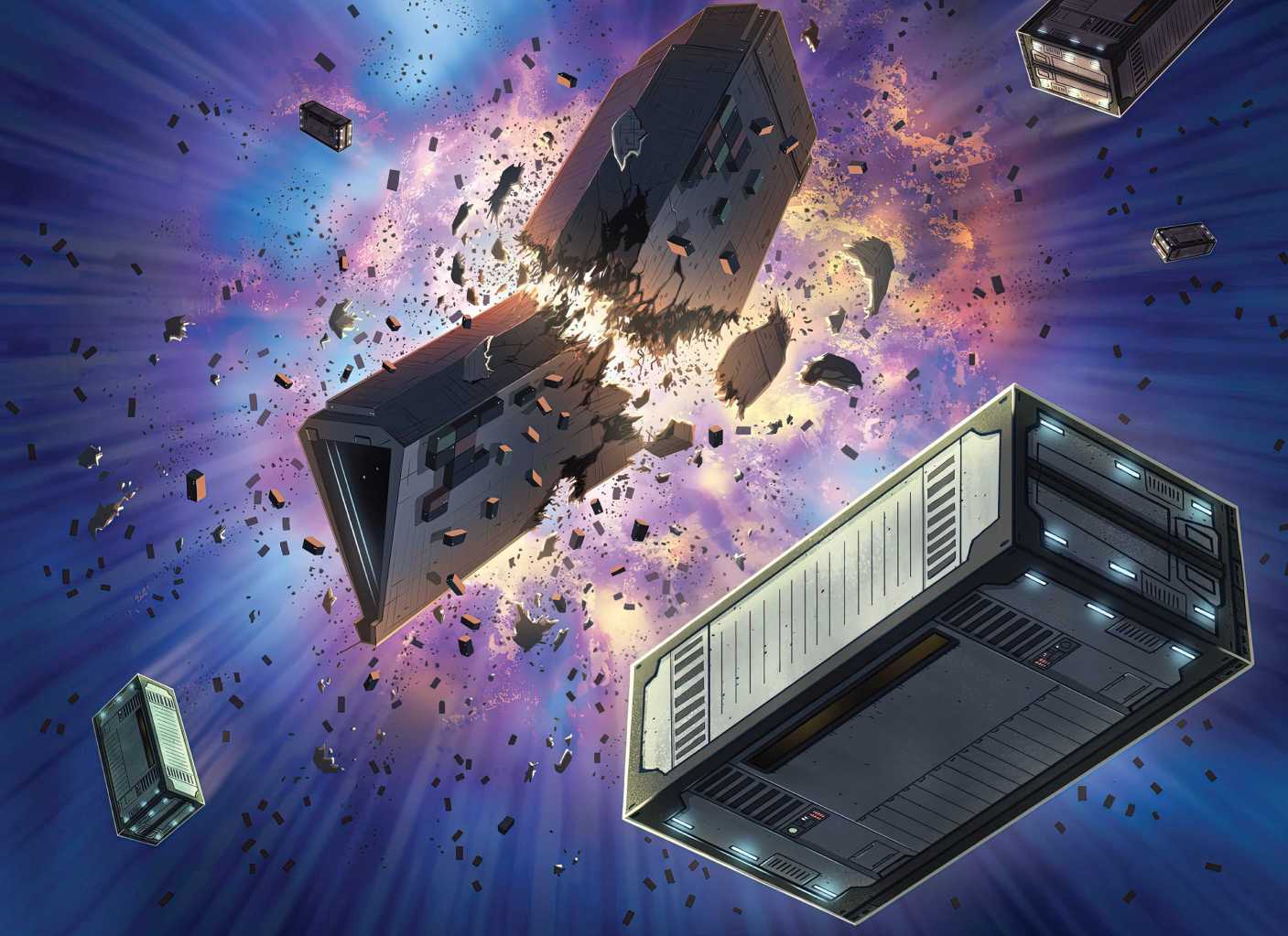
The beginning of Cataclysm is like a sequel to Zoraida Córdova’s Convergence, which focuses on introducing the landscape of the Eiram/E’ronoh war through the Jedi peacekeepers and monarchs. Even though Princess Xiri and Prince Phan-tu have married, their worlds are far from peace. The peace talks on Jedi have failed, resulting in a battle that caused The Path of the Open Hand to flee to Dalna. But the organization still has its eye on making sure that peace between the two worlds never happens. The Mother tasks two Path members, Goi and Force-sensitive Bennot, with further sabotaging peace by piloting a ship with klytobacter to the Timekeeper Moon (and neutral place between Eiram and E’ronoh) to make it seem like E’ronoh was going to unleash chemical warfare. Learning that both men were members of The Path, Xiri, Jedi Master Char-Ryl-Roy, and Padawan Enya Keen plan a diplomatic mission to Dalna to speak with The Path.
Some unfortunate events begin for the Jedi and The Path, but also for the two Chancellors, particularly Chancellor Kyong Greylark. Her son, Axel, has faked his way off the prison on Pipyyr courtesy of a gullible Gella Natai and Jedi Master Orin Darhga. Then he escapes courtesy of Binnot and the Path and heads to Dalna to regroup. Add Jedi Masters Creighton Sun, Aida Forte reeling from the Battle of Jedha heading to Dalna to investigate The Path further, and a miscommunication with Yaddle, and the Jedi and Path inch closer to the notorious Night of Sorrows.
You get a better sense of the scale of devastation in this novel than in Path of Vengeance, and it is fascinating how the Jedi ended up getting most of the blame for that night from the Dalna residents, especially with the involvement of Eiram and E’ronoh forces.
A lot is going on, resulting in a condensed Phase Two that has to do so much exposition not only for Phase Three but for people who are only reading the adult novels in The High Republic. If you are in that camp, this novel has a lot of ground to cover since the events of Convergence. And if you are reading this with Path of Vengeance, you might have to suspend disbelief in the timeline of the events for certain characters in both novels.
But, if you cut out the fat of the story, Cataclysm is about three sets of pairs recontextualizing their relationship, facing loss, and growing from tragedy.
The Characters
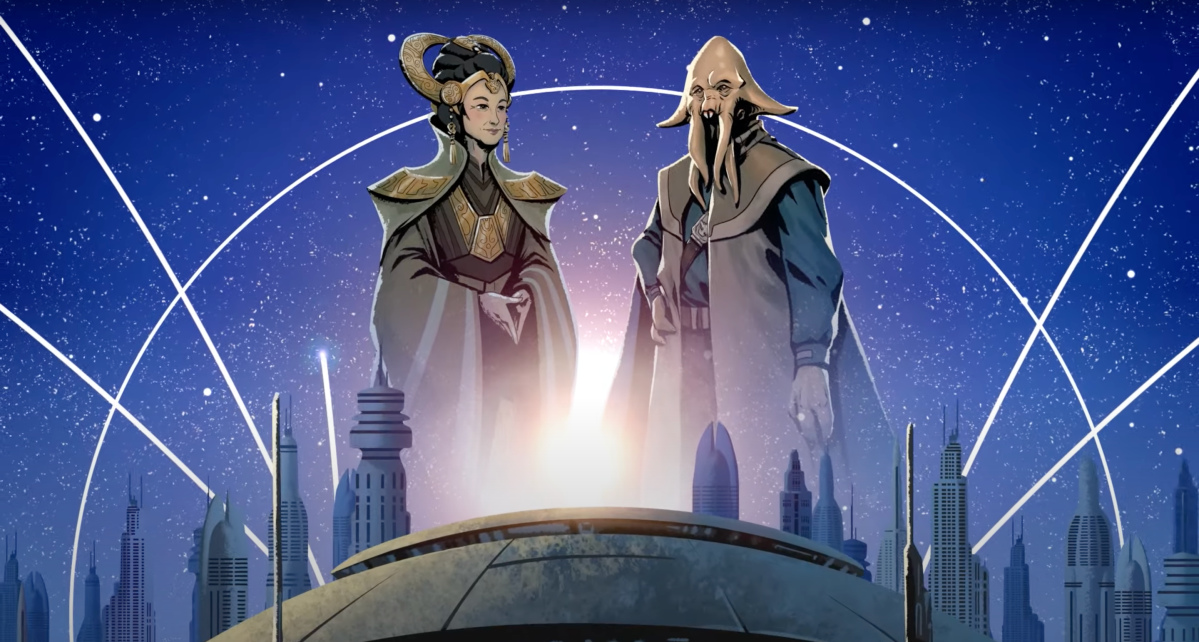
Gella Natai, Axel Greylark, Xiri, and Phan-tu remain the best characters of The High Republic outside of Marda and Yana Ro. Gella evolves her relationship with the Force from Jedi to Wayseeker, and her reasoning is what most wanted from Orla Jareni from Phase One. The marketing for Cataclysm was clever in showing Axel with Gella’s lightsaber, recognizing that she might be a fan favorite and causing slight panic. There is a sense of unease seeing Jedi without their lightsabers because it is such a huge part of a Jedi’s identity. As Jedi Master Ravna says in Edge of Balance about a Jedi and their lightsaber— you lose it, you’re dead. But Gella’s weakness is Axel, or more, the better version of Axel that she senses somewhere within him. And that belief of good in him does change Axel in a way his mother could not change when he was younger.
We get more of his backstory, including how he came to join the Path of the Open Hand. Unsurprisingly, Axel was driven toward the Path early because of his anger towards the Jedi for what he believed their part in his father’s death. Much like, Elecia (aka The Mother), he was initially driven by spite, unlike Elecia, that evolved into the appearance of freedom from his actual mother’s expectations. When it is clear that the Path has only valued his proximity to the Chancellor, things get dangerous for Axel.
Xiri and Phan-tu are in the post-honeymoon phase without having had the honeymoon. They realize that their union is nowhere near the uniting factor they assumed. The two are also struggling with connecting to their partner’s culture and accepting that they are the monarchs of both Eiram and E’ronoh. It’s a shame that they are sidelined after the first act as the Battle of Dalna begins, and their part in the battle feels rushed, bordering on unearned. Overall, the chemistry between Gella, Axel, Xiri, and Phan-tu was the secret sauce in what made Convergence the best novel (in my opinion) of Phase Two.
But having Gella and Axel apart for most of the novel hurts both characters as their stand-in companions cannot compete. Orin is not as charming as Kang intends, and Binnot is just plain basic. And both feel eerily similar to characters from the previous Phase: Orin gives Regald Coll vibes with his quirky sense of humor and equally horrific fate, while Binnot is Udi Dis, with a misguided sense of importance whose downfall is set in motion by their unsympathetic leaders.
Kyong Greylark rises to the top of the Chancellor list by reconnecting with her son. The dual role shared with Chancellor Mollo compliments their strengths and weaknesses in a previously more combative relationship, each trying to elevate their agenda. Mollo has also developed as a leader working with Eiram and E’ronoh and making slow but reasonable progress. The two lean on each other during the difficult points of this novel, sharing insecurities about their future rarely shown by Chancellors. And a mother deciding to walk away from her career for her son mirrors a lot of mothers who often have to choose between the two (The Aftermath Trilogy also explores this dynamic more in-depth with Nora Wexley and her son, Temmin).
Hopping from the Battle of Jedha to the Battle of Dalna was probably not the best idea for Creighton Sun and Aida Forte, both for the characters and the readers. While Sun was a bright spot in The Battle of Jedha, he took a giant step back here, where he feels like a scrapped-together version of Stellan Gios.
When Creighton and Aida were confirmed to appear in Cataclysm, I had hoped that Aida would get more to do. She was, misleadingly on the cover of The Battle of Jedha even though Shilandra Sho was more of a presence. Nope. Aida is again here to serve Sun’s character (and in the worst way possible, involving an unfortunate trope).
Making even less of an impression is Padawan Enya Keen and Jedi Master Char-Ryl-Roy, whose purpose in this novel will be forgotten just as quickly as their roles in Convergence.
If Yaddle were not a familiar name in canon, her character would be as forgettable. As for her Jedi Initiative, Cippa, the less said, the better. She might fit better in a Middle-Grade novel, asking questions or making comments no one asked for, but even the Middle-Grade characters are more reserved. We get so few perspectives of Younglings in canon novels (Mill Alibeth from Brotherhood is one of the few standouts that comes to mind), but not sure if an adult novel was the best place for Cippa other than a chance to show Yaddle’s incredible patience. Still, I hope to get more from her in Phase Three, as she is one of the few Jedi still around after 150 years.
There are other Jedi, but they are of very little importance and honestly appear to play “red shirts,” dying to motivate the heroes.
Canon Contributions
While Cippa is insufferable, her species is new to canon (pulled from Legends) and is a near-human sentient species called the Arkanians. A species that also appears in Rise of the Red Blade. The differentiation from humans is their claw-like nails, fingers (they have three and a thumb), and they can see into the infrared spectrum. Very curious that they brought over another species like the Chiss, who can see in the infrared spectrum, before the introduction to Thrawn in live-action with Ahsoka. It’s an ability not used often by these characters in canon, but it would be cool to see it in live-action.
A hyperspace lane is discovered and opened to give Eiram and E’ronoh access to the Hetzal system, the location of The Emergence from Phase One. Could this be the same hyperspace lane the Legacy Run was in when it hit debris in Light of the Jedi, causing The Great Disaster?
The Night of Sorrows has been covered thoroughly, so we will see how Dalna factors into Phase Three and how this additional context will enrich the stories.
Ok, let’s talk about the BIG decision in the end. With no indication that the mysterious creatures that killed many Jedi are still around, Yoda and Creighton Sun decide not to tell the Jedi Order or add any information to the Jedi Archives. Basically, to erase history. And where did that get them? Creighton is long dead in Phase One, but Yoda is still around to see that his silence has led to more death. Erasing history only means you risk repeating the same mistakes sooner than later. And Yoda still did not learn his lesson during the Prequel era and Darth Sidious. The High Republic seems to have revealed a character flaw in Yoda.
Cataclysm is a serviceable novel, much like most of Phase Two. Lydia Kang does the best with what she is given, especially with Kyong Greylark, who I genuinely am interested in knowing what became of the former Chancellor. Other than that, I anxiously await Phase Three.

 Credits and Canon